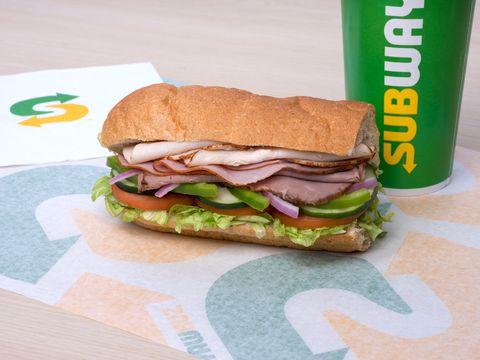
Created by a person I will not name, the Subway diet consists two low-fat sandwiches from the popular sandwich chain, Subway. The diet became part of a marketing ploy by Subway to claim that their chain was a healthy and cheap place to eat. The diet works as a way to quickly cut weight, which is not healthy. This helped the creator go from 425 pounds in 1998 to 190 the next year. This is obviously remarkable, and more than likely benefited the creator’s health for the future, it is not anything advisable for your average person. Weight loss at this level is unhealthy, and should not sought after. Nutrient variety and whole foods are recommended for the future health of any individual. It is more marketing than anything else, with no nutritional research backing it except one heavily advertised case in extreme conditions.
9: Special K Diet, 2010s
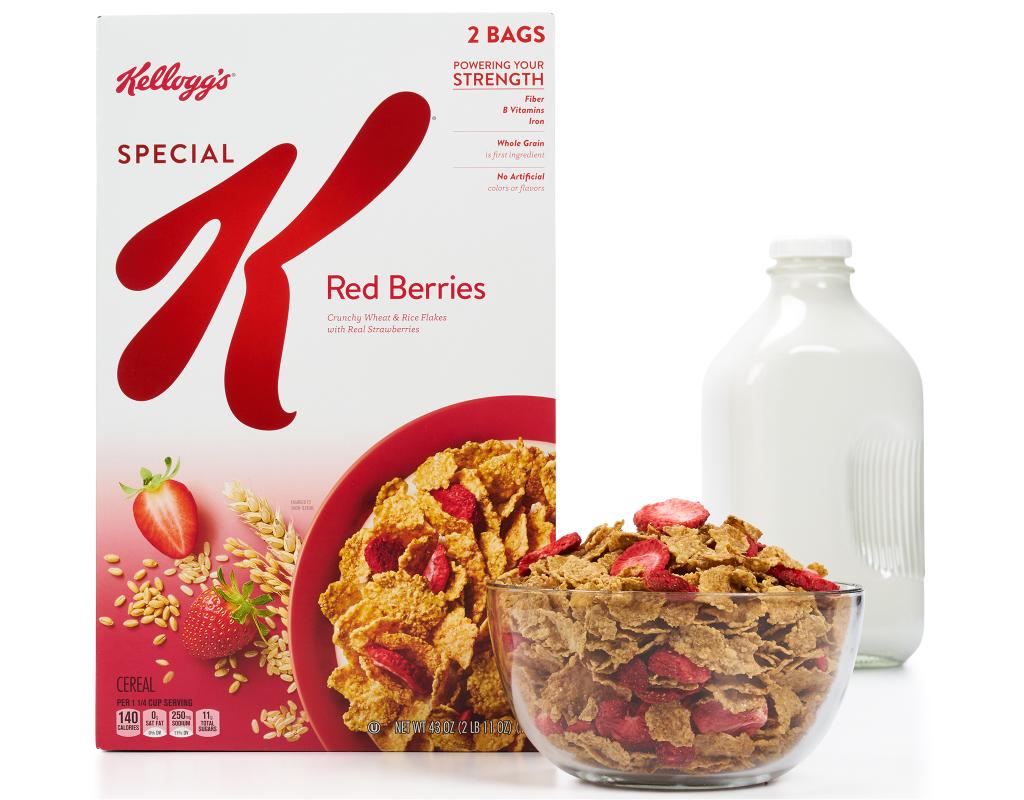
The Special K diet is a 14-day diet program.You replace two meals a day with a bowl of Special K cereal and skim milk. This diet is very simple, and does show results. However, this is not because you are eating a hyper-processed cereal twice a day, but because you are eating that instead of something else. You can do the same with anything else, as long as it’s lower calorie than the thing you were eating before. It also doesn’t improve health much, being that a lot of what is necessary for a healthy diet is a variety of nutrients, which this eliminates. As a whole, the thing is just a marketing ploy to get people to eat more Special K. Might as well be eating hardtack for every meal.
8: Air Diet, 2018

Another really simple one. Step one: make a nice hot meal. Step two: Take in the smell. Step three: Eat the air and steam rising from it. That’s it. This is a horrible. This is blatant disordered eating. Do not do this diet. It is just starving yourself. There is no research or ways to elaborate on why beside the fact that you need to eat, and not eating is unhealthy.
7: Clay Diet, 2010s

The clay diet is a new diet, with origins in ancient history, where villagers used to eat clay as a detoxification process. That’s right, they eat clay. Clay doesn’t detoxify the body, and this is not necessary. Detoxification is done by our kidneys. Clay has calcium and iron, and has been used in the past as a substitute in impoverished countries. Clay also has arsenic. Do no consume clay.
6: Cabbage Soup Diet, 1950
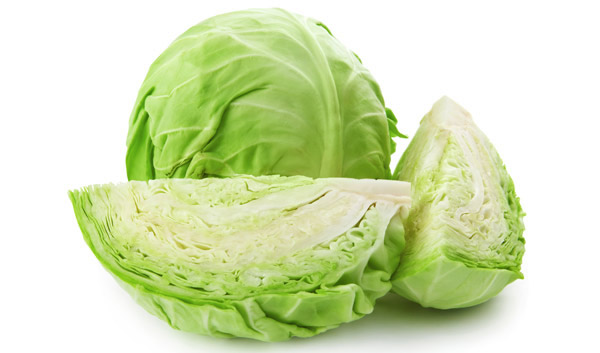
This was originally marketed as a “TRICK TO LOSE WEIGHT FAST.” The trick is to only eat cabbage soup. Since a cup of cabbage only has 22 calories and no fat, it results in fast weight loss. You know, just like not eating would. It is essentially like chewing ice to stave off hunger. You burn more calories eating it than you would gain from eating it. It has it’s benefits, but none that are long term. Not to disrespect cabbage, it is a great vegetable. However, when cooked, it loses a lot of the nutrients it once had. The diet can be overall good in conjunction with good eating, but that defeats the purpose of the diet. It’s similar to the potato diet that recently came to light, with the same basics, but with unsalted cooked potatoes. Both lack proper nutrients, so it’s a no for me.
5: Tapeworm Diet, early 1900s
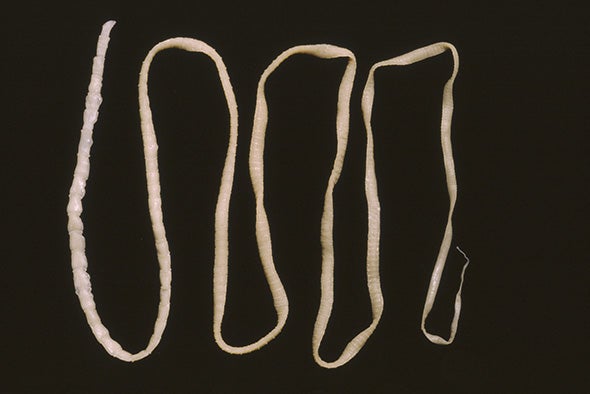
I’m sure many people have already heard of this one. The Tapeworm diet entails swallowing a tapeworm egg, waiting for it to mature, and then eat food regularly. The tapeworm will take all of the “extra” calories while you eat happily. Do I really need to explain what is wrong with this diet? Tapeworms are bad. They can induce vomiting, abdominal pain, diarrhea, nausea, weakness, and even convulsions. Not only that, but you can’t control how much the tapeworm eats, so you can’t control how much of the food you actually absorb. Malnutrition is inevitable. This is essentially involuntary calorie counting.
4: “FLETCHERIZING,” 1903

Created by Horace Fletcher, this diet had no change in what you eat, but how you eat. In a effort to eat only when hungry, the dieter would chew their food 32 times before swallowing. This would, supposedly, cause the dieter to reduce food intake. This is a dangerous effort, seeing as how it could be a slippery slope with disordered eating, seeing as people could begin to chew their food and just spit it out after tasting it. It’s not a fast track to disordered eating, but it’s certainly possible. Besides that, there is nothing to this diet. It has little to no supporting evidence, with those on the contrary pointing out it’s minimal effects. Can it be helpful? Yes, but only in conjunction with proper eating.
3: Calorie Counting, 1917

Popularized by Lulu Peters in her book Diet and Health, With Key to the Calories, Calorie counting is restricting the amount of calories that you consume through food, and has been a staple of dieting for years. However, studies have shown that calorie counting on it’s own can be harmful. By cutting out calories, we are often restricting ourselves to unhealthier foods. Also, our bodies aren’t 100% efficient. According to a recent study on almond consumption, up to 20% of the calories we eat don’t get absorbed, (J Agric Food Chem, 2008). There are also studies that say calorie counting can have the opposite affect, due to the increased stress a decrease in eating can cause. Due to the minimal pros and increasing number of cons, it’s easy to say the calorie counting is more trouble than it’s worth.
2: Cigarette Diet, Late 1920s

Popularized in the 1920s, cigarette companies advertised their product as a substitute for when people begin to crave sweets. It is blatantly obvious that this is nowhere near healthy due to the obvious, cigarettes are bad for you. They can cause chest pain and shortness of breath on the light end, and up to lung cancer and the coughing up of blood on the extreme end. However, using actions or substitutes when hungry isn’t healthy either, and can result in the development of eating disorders. Hindsight is 20/20, but this has got to be one of the worst diets I have ever seen.
1: Vinegar and Water Diet, Year 1820

Popularized by George Gordon Byron, the diet consisted of starches. These came in the form of a slice of bread, a biscuit, or a potato doused in vinegar as your main courses, with carbonated water or plain tea to wash it down. While many of potatoes and vinegar contain many amino acids, which are essential to maintaining a healthy diet, and acedic acids, which promote fat loss and increase metabolism, the lack of variety is horrid. The nutritional content of such a diet could cause all sorts diseases, primarily those relating to a lack of vitamins. Scurvy, Rickets, Pellagra, and even a disease called Beriberi, which is the inability to perform basic tasks due to nerve inflammation. While there are noticable issues with this diet, It is considered one of the first official “diets” created. That along with the fact that this was an early 19th century development, it’s somewhat understandable. However, it’s definitely not healthy.
 10 Fad Diets With Little to No Supporting Research